Specializing in the design and manufacture of automotive motor armatures and stators.



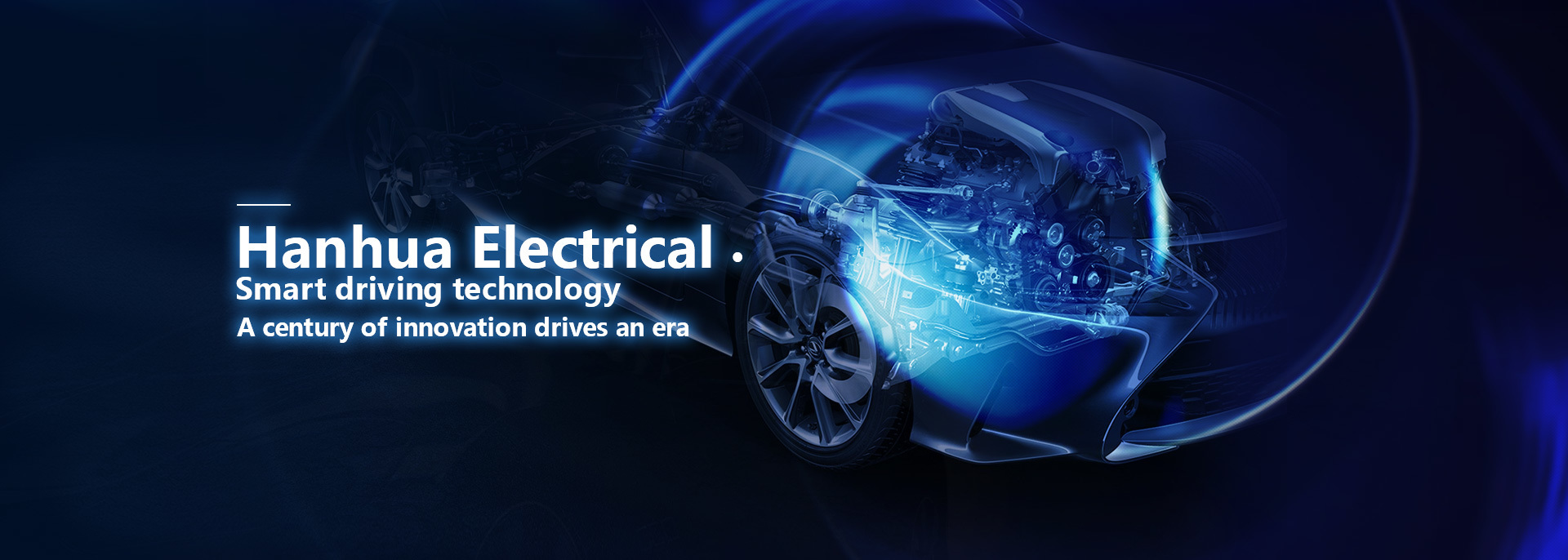
Creating high-quality automotive motor armatures, Hanwha Electro-materials takes you to a higher level of driving experience
Release Time:
2023-07-10
In recent years, with the rapid development of the automotive industry, automotive motor armatures have played an indispensable role in enhancing driving experience and performance. As a company focused on providing high-quality motor armatures to customers, Hanwha Electro-materials, with its superior technology and innovation capabilities, has become a leader in the industry. This article will take you to a deeper understanding of Hanwha Electro-materials and how they help you create high-quality automotive motor armatures to enhance the driving experience.
Hanwha Electro-materials has been committed to the research and development and production of high-quality automotive motor armatures. They use the most advanced technologies and processes to ensure that each product undergoes rigorous quality control to meet customer needs and expectations. Whether it's a traditional fuel vehicle or a new energy vehicle, Hanwha Electro-materials can provide you with the most suitable motor armature solution.
Hanwha Electro-materials' motor armatures have excellent performance and reliability. They use high-quality materials and advanced manufacturing processes to ensure high efficiency and long life of the motor armatures. Whether accelerating or braking, Hanwha Electro-materials' motor armatures provide excellent power output and precise control. At the same time, they also focus on reducing noise and vibration to create a quiet and comfortable driving environment for you.
Hanwha Electro-materials not only provides standard products but also can be customized according to customer's specific requirements. Whether you are an automobile manufacturer or an after-market service provider, Hanwha Electro-materials can tailor the most suitable solution for you. Their professional team will work with you to understand your needs and provide innovative designs and solutions to ensure you get exceptional products and services.
As a world-leading supplier of motor armatures, Hanwha Electro-materials has a wide range of customers worldwide. Their products have been widely used in various types of automobiles, including passenger cars, commercial vehicles, sedans, and SUVs. Whether you are an enterprise or an individual car owner in need of motor armatures, Hanwha Electro-materials will wholeheartedly provide you with the best products and services.
In short, Hanwha Electro-materials is a trustworthy supplier of automotive motor armatures. With its superior technological strength and innovation capabilities, it helps customers create high-quality motor armatures and contributes to improving the driving experience. Whether you are pursuing driving performance or environmentally friendly travel, choosing Hanwha Electro-materials will be a wise choice.
Hanwha Electro-materials has been committed to the research and development and production of high-quality automotive motor armatures. They use the most advanced technologies and processes to ensure that each product undergoes rigorous quality control to meet customer needs and expectations. Whether it's a traditional fuel vehicle or a new energy vehicle, Hanwha Electro-materials can provide you with the most suitable motor armature solution.
Hanwha Electro-materials' motor armatures have excellent performance and reliability. They use high-quality materials and advanced manufacturing processes to ensure high efficiency and long life of the motor armatures. Whether accelerating or braking, Hanwha Electro-materials' motor armatures provide excellent power output and precise control. At the same time, they also focus on reducing noise and vibration to create a quiet and comfortable driving environment for you.
Hanwha Electro-materials not only provides standard products but also can be customized according to customer's specific requirements. Whether you are an automobile manufacturer or an after-market service provider, Hanwha Electro-materials can tailor the most suitable solution for you. Their professional team will work with you to understand your needs and provide innovative designs and solutions to ensure you get exceptional products and services.
As a world-leading supplier of motor armatures, Hanwha Electro-materials has a wide range of customers worldwide. Their products have been widely used in various types of automobiles, including passenger cars, commercial vehicles, sedans, and SUVs. Whether you are an enterprise or an individual car owner in need of motor armatures, Hanwha Electro-materials will wholeheartedly provide you with the best products and services.
In short, Hanwha Electro-materials is a trustworthy supplier of automotive motor armatures. With its superior technological strength and innovation capabilities, it helps customers create high-quality motor armatures and contributes to improving the driving experience. Whether you are pursuing driving performance or environmentally friendly travel, choosing Hanwha Electro-materials will be a wise choice.
Hanwha Electro-Mechanical

Add:NO 2, Section 4. Bohail Avenue,Jinzhou Economic and Tchnical Development Zone, Jinzhou
Sales Department:+86 416-2933839
Http:www.jzhhdz.com
Email:hhdz_sales@163.com

Scan To Learn More
Copyrights Jinzhou Hanhua Electrical Systems co., ltd. Website:300.cn jinzhou.300.cn SEO Privacy Policy
Business License